
Stroke & TIA
Stroke and TIA Care in Middletown and Newport, RI
When to Seek Stroke or TIA Evaluation
Stroke symptoms can come on suddenly and should always be taken seriously. You should seek immediate emergency care if you notice signs such as:
- Facial drooping
- Arm or leg weakness
- Trouble speaking or understanding speech
- Sudden vision changes
- Severe dizziness or loss of balance
A TIA, sometimes called a “mini-stroke,” may cause similar symptoms that resolve within minutes or hours. Even if symptoms go away, a TIA is a warning sign and requires urgent follow-up to reduce the risk of a future stroke.
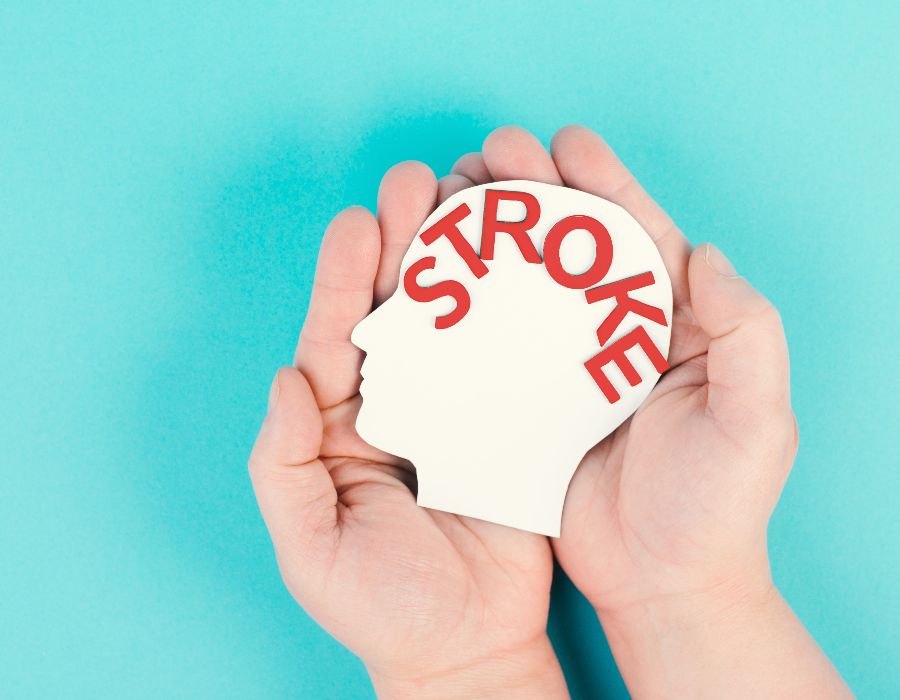
Understanding Stroke and TIA
A stroke occurs when blood flow to part of the brain is interrupted, leading to brain injury. There are different types of stroke, but all require fast action and careful long-term management. A TIA is a temporary blockage of blood flow that does not cause permanent damage, but it often signals an increased risk of a major stroke.
Ready to Understand What’s Causing Your Symptoms?
Many patients feel overwhelmed after these events. Our role is to explain what happened in clear language and guide you through the next steps with confidence.
What to Expect at Your Neurology Visit
Stroke care does not end after the hospital. Follow-up is essential to understand the cause and reduce future risk. During your visit, we will:
- Review your symptoms and hospital records
- Evaluate stroke risk factors
- Review imaging and test results
- Perform a focused neurologic exam
- Clarify the diagnosis and likely cause
We help patients understand what is most important now, and what steps will make the biggest difference going forward.

Stroke Prevention and Treatment Planning
Preventing another stroke is often the most important goal after a stroke or TIA. Your care plan may include:
Medication adjustments
Blood pressure and diabetes control
Lifestyle guidance for long-term risk reduction
Coordination with primary care & cardiology when needed
Support for recovery, therapy, and rehabilitation
Stroke and TIA FAQs
A stroke occurs when blood flow to part of the brain is blocked or interrupted, causing brain injury that may lead to lasting symptoms.
A TIA (transient ischemic attack), sometimes called a “mini-stroke,” causes similar symptoms but resolves quickly without permanent damage. However, a TIA is a serious warning sign and should never be ignored.
Stroke symptoms often appear suddenly. Call 911 immediately if you notice:
- Face drooping
- Arm or leg weakness, especially on one side
- Difficulty speaking or understanding speech
- Sudden vision loss or changes
- Severe dizziness or loss of balance
Fast action can save brain function.
Yes. Even if symptoms resolve, a TIA can signal a high risk of a future stroke. Follow-up care is essential to identify the cause and reduce risk.
Stroke can result from several factors, including:
- High blood pressure
- High cholesterol
- Diabetes
- Smoking
- Irregular heart rhythms (such as atrial fibrillation)
- Narrowing of blood vessels
- Blood clotting conditions
Part of your care involves understanding which risk factors apply to you.
Neurology follow-up helps ensure you have a clear prevention plan. During your visit, we review your hospital records, imaging, medications, and risk factors, and we outline steps to lower the chance of another event.
Stroke prevention may include:
- Blood thinners or antiplatelet medications
- Cholesterol-lowering therapy
- Blood pressure management
- Lifestyle changes for long-term brain health
- Rehabilitation and therapy support when needed
We focus on practical, evidence-based steps that make a real difference.
Recovery depends on the type of stroke and the part of the brain affected. Many patients improve significantly with time, therapy, and proper follow-up care. Our goal is to support both recovery and long-term prevention.
Follow-up is based on your diagnosis and risk profile. Some patients need close monitoring early on, while others transition to periodic visits once stable. We tailor care to your needs.